February 2, 2026
Your home is likely your most significant investment, and the roof is the primary shield protecting that investment from the elements. While most homeowners realize that a sturdy roof is essential, many do not realize how easily that protection can be compromised. Small errors in judgment or oversight during the planning and installation phases can lead to massive headaches down the road. This guide explores the frequent pitfalls that property owners encounter when dealing with their overhead protection.
1. Neglecting Regular Inspections
One of the most frequent errors homeowners make is adopting a set it and forget it mentality. A roof is not a static object; it is a dynamic system that reacts to heat, cold, wind, and rain every single day. Without periodic professional assessments, minor issues like a cracked seal or a loose shingle can escalate into a major roof repair project. Professionals recommend having your system checked at least twice a year, typically in the spring and fall. These checkups allow experts to identify potential weak spots before they lead to interior water damage. Staying ahead of the curve means you are less likely to be caught off guard by a sudden leak during a midnight thunderstorm. Regular oversight is the most effective way to extend the service life of your materials and keep your peace of mind intact.
2. Layering New Shingles Over Old Ones
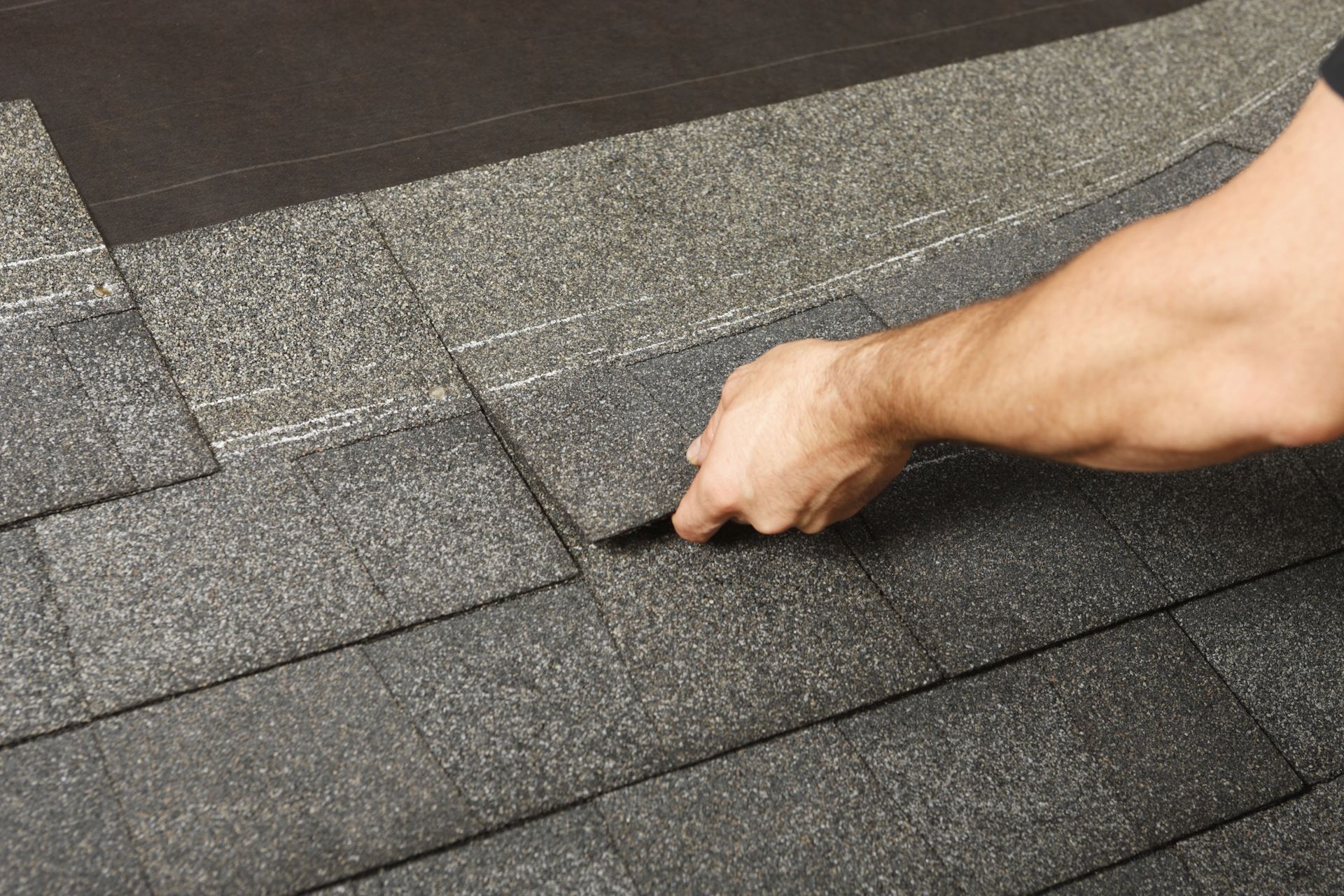
When it comes time for a full replacement, some property owners attempt to save money by installing a second layer of shingles directly over the existing ones. While this might seem like a clever shortcut, it creates a host of structural problems. Adding a second layer doubles the weight on your rafters, which can lead to sagging or even structural failure over time. A proper roof repair or replacement requires stripping the old materials away to ensure the foundation is solid. According to This Old House, the lifespan for asphalt shingles can be up to 30 years, but that longevity is only achievable if they are installed on a clean, stable surface that allows for proper heat dissipation.
3. Improper Attic Ventilation
It might seem counterintuitive, but the health of your roof is heavily dependent on the air moving underneath it. Poor attic ventilation is a silent killer for roofing systems. In the summer, trapped heat can reach extreme temperatures, essentially baking the shingles from the inside out and causing them to curl or blister. In the winter, warm air from the living space can get trapped in the attic, melting snow on the roof which then refreezes at the eaves to create ice dams. These dams force water back under the shingles, necessitating an expensive roof repair to fix the resulting leaks. Ensuring that your home has a balanced system of intake and exhaust vents allows the roof to breathe.
4. Ignoring Gutter Maintenance
Gutters are often treated as an afterthought, but they are an integral part of the roofing system. Their job is to channel water away from the edge of the roof and the foundation of the home. When gutters become clogged with leaves, twigs, and debris, water has nowhere to go. It backs up onto the roof deck, where it can rot the fascia boards and soak into the edges of the roofing felt. This moisture penetration often leads to mold growth and wood rot that requires a professional roof repair to rectify. Keeping gutters clear and ensuring they are securely fastened prevents water from stagnating where it should be flowing.
5. Using Incorrect Fastener Placement
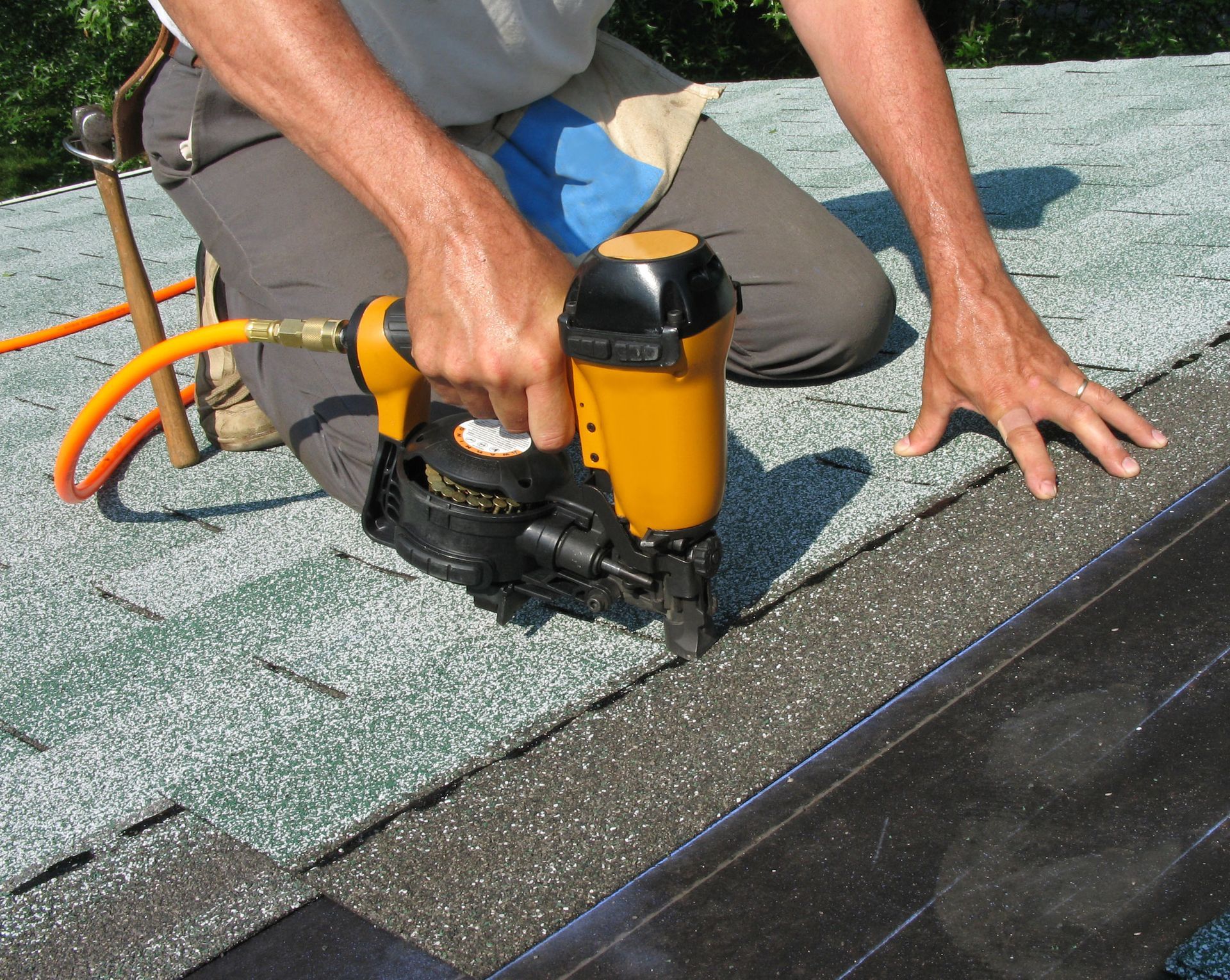
The way a shingle is nailed down is just as important as the shingle itself. Every manufacturer has specific requirements for where nails should be placed to ensure the shingles stay put during high winds. If a technician drives nails too high on the shingle, they miss the underlying layer, significantly reducing wind resistance. Conversely, nails driven too low are exposed to the elements, leading to rust and potential leak points. Over-driving nails can also puncture the shingle, while under-driving them leaves the heads popping up, which can tear the shingle above it. Precision in fastening is a hallmark of professional workmanship.
6. Failing to Replace Flashing
Flashing is the thin metal material installed around chimneys, vents, and valleys to redirect water away from these vulnerable junctions. A common mistake during a reroofing project is reusing the old flashing to save on material costs. Old flashing often has hidden pinholes, rust, or compromised seals that may not be visible at first glance. Since these areas are the most likely spots for leaks to develop, skimping here is a recipe for disaster. Professional installers recognize that new flashing is a mandatory component of a high-quality installation. Ensuring that these transition points are watertight prevents the need for a targeted roof repair later on. Properly installed metal flashing acts as a secondary line of defense that keeps the most complex parts of your roof bone dry.
7. Using Mismatched Materials
Consistency is key when it comes to both aesthetics and function. Sometimes, during a minor roof repair, there is a temptation to use whatever shingles are readily available, even if they don't perfectly match the existing ones. This results in a patchy, unattractive appearance that can significantly lower the curb appeal and value of your home. More importantly, different brands and styles of shingles may have different thicknesses or interlocking mechanisms. Mixing them can create gaps or uneven surfaces that allow wind and water to penetrate the system. Using uniform materials ensures that the entire roof reacts the same way to environmental stressors.
8. Disregarding Local Building Codes
Building codes exist for a reason: they ensure that structures are safe for their specific geographic location. A roof in a high-wind coastal area has different requirements than one in a region prone to heavy snowfall. Some homeowners and fly-by-night contractors ignore these regulations to cut costs or speed up the process. This mistake can lead to a roof that is legally non-compliant, which becomes a massive headache when trying to sell the property or file an insurance claim. Furthermore, a roof not built to code is far more likely to fail during extreme weather, leading to a catastrophic roof repair scenario.
9. Choosing the Lowest Bid Alone
It is natural to want to save money on a major home improvement, but choosing a contractor based solely on the lowest price is often a costly error. Extremely low bids frequently indicate that a company is cutting corners, using inferior materials, or lacking proper insurance and licensing. When a roof is installed poorly, the money saved upfront is quickly eclipsed by the cost of a future roof repair or even a total early replacement. Quality labor and high-grade materials have a market price, and falling too far below that price point usually means a sacrifice in durability. Evaluating a professional based on their reputation, communication, and transparency is a much better strategy for long-term satisfaction.
10. Neglecting the Valley Liners
The valleys are the areas where two roof planes meet, forming a V-shape. Because of their geometry, valleys handle a massive volume of water runoff during rainstorms. If these areas are not properly lined with a high-quality underlayment or metal valley flashing, they become prime candidates for leaks. A common mistake is to simply weave shingles across the valley without the necessary reinforcement. Over time, the constant flow of water can erode the shingles or find its way into the seams. A professional roof repair often involves fixing these high-traffic water channels because they were not armored correctly during the initial installation.
Maintaining a healthy roof requires a blend of vigilance, professional expertise, and a commitment to quality materials. By avoiding these ten common mistakes, you can protect your home from the damaging effects of water intrusion and structural decay. Your roof is more than just a collection of shingles; it is a complex system designed to keep your family safe and dry. When you prioritize professional standards and regular maintenance, you ensure that your home remains a sanctuary.
For a comprehensive evaluation of your home’s protection, contact A&M Roofing to schedule a professional roof repair assessment or a full system consultation.