October 7, 2026
Your home is your sanctuary, shielding you from the harsh weather outside. However, when the protective barrier of your house is compromised, the results can be disastrous. Water infiltration is an insidious threat, quietly causing structural issues, fostering mold growth, and destroying your peace of mind. Catching the early indicators of moisture intrusion can save you thousands of dollars. According to RubyHome, leaking roofs are the primary factor behind 33% of all roof replacements in the U.S. annually. This staggering statistic highlights just how vital it is to maintain the integrity of your home’s exterior. Ignoring the subtle warnings can escalate minor fixes into full-blown emergencies. This guide explores the critical warnings indicating you might need professional intervention. Recognizing these red flags early on allows you to schedule a timely roof repair before the damage spreads further into your living space.
1. Water Stains on Your Ceilings and Walls
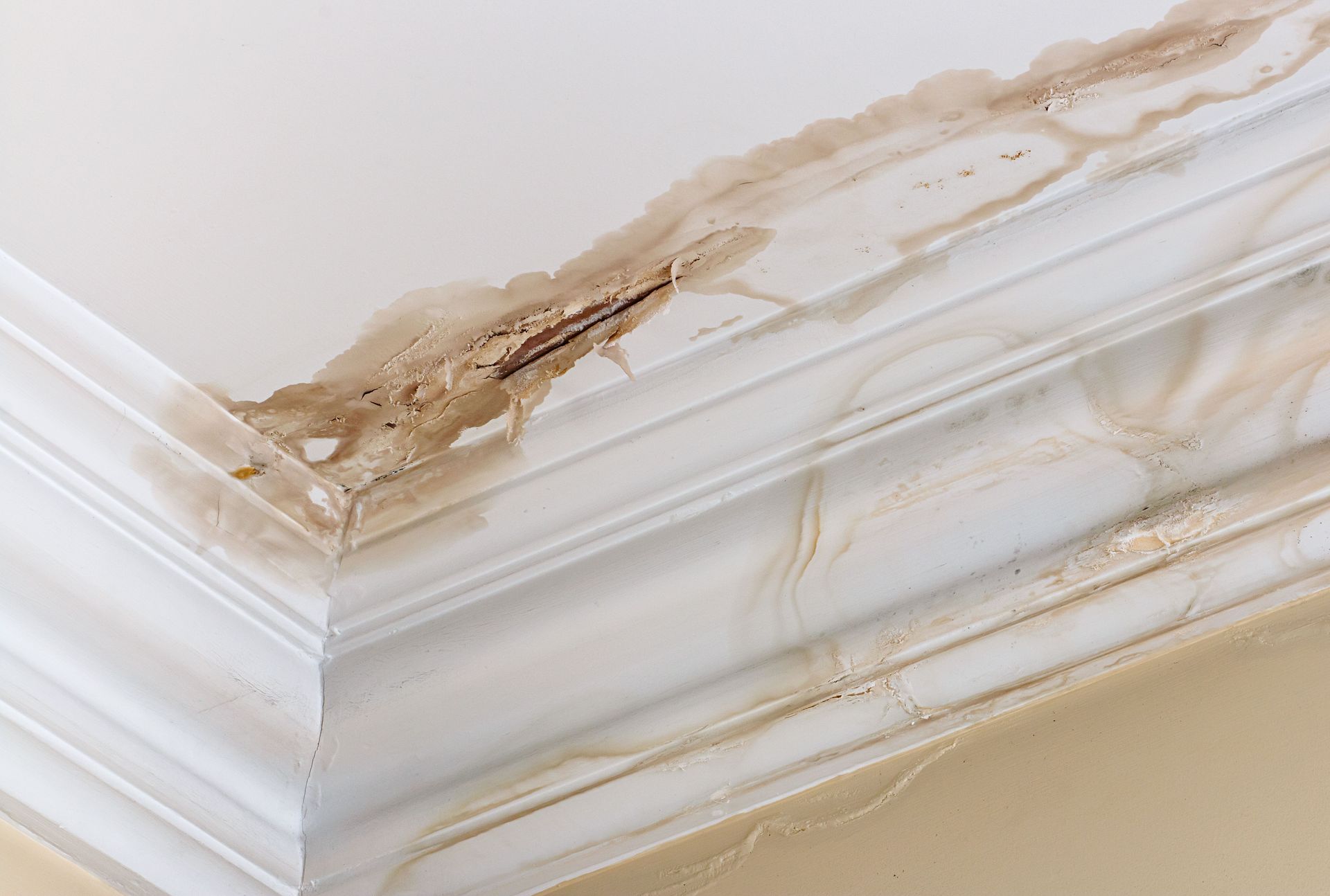
One of the most obvious indicators of moisture infiltration is the appearance of water stains on your interior ceilings and walls. These stains typically manifest as yellowish or brownish rings that slowly expand over time. When water breaches your exterior defenses, it travels along the rafters before pooling on the drywall. By the time you notice these blemishes, the moisture has likely been accumulating in your attic for a while. Homeowners often mistake these spots for plumbing leaks, but they frequently point directly to the need for exterior intervention. If you spot these creeping rings of discoloration, it is time to look into professional roof inspection services to pinpoint the exact source of the intrusion. Ignoring the cause allows water to weaken the drywall until it collapses. Scheduling a prompt roof repair can halt this destructive process, preserving the structural integrity of your ceilings and preventing extensive interior renovations.
2. Missing, Curled, or Damaged Shingles
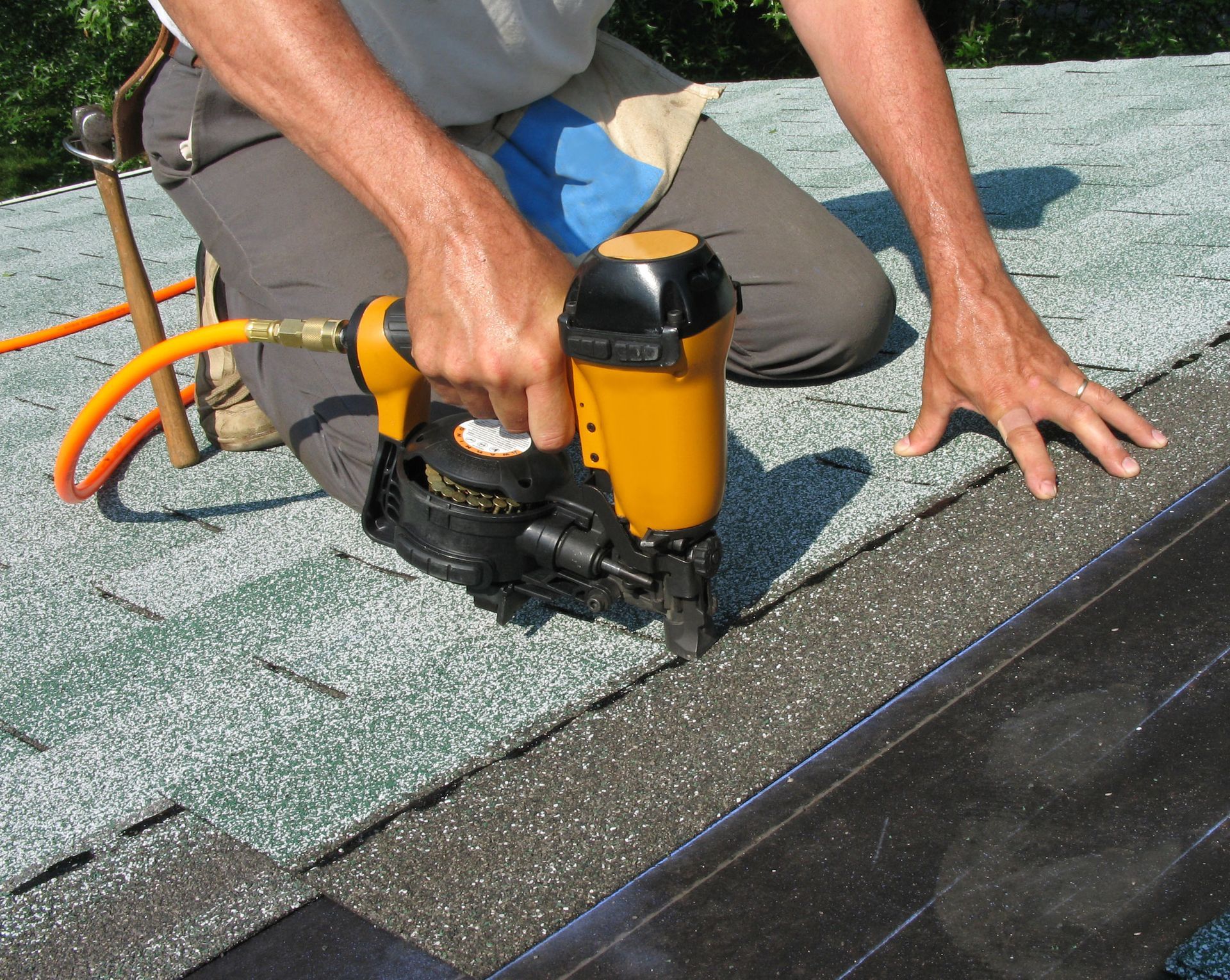
Your shingles act as the primary armor against wind, rain, and snow. When they become compromised, your home is left vulnerable to the elements. Take a moment to walk around your property and visually assess your exterior. Do you see shingles that are buckling, curling at the edges, or entirely missing? Extreme weather, aging, and poor roof ventilation can cause these materials to deteriorate rapidly. When shingles lose structural integrity, they cannot shed water effectively. Moisture then seeps underneath, saturating the underlayment and the wood decking. This is especially true for those with an older asphalt shingle installation, which can become brittle over time. If you notice bald spots or pieces of roofing material scattered across your lawn after a storm, you must act quickly. A targeted roof repair can replace the compromised sections, restoring the watertight seal and extending the lifespan of your overall system before a failure occurs.
3. Clogged Gutters and Water Pooling
The gutter system is designed to channel water safely away from your foundation. However, when gutters become clogged with leaves, twigs, and debris, they can no longer perform their essential function. Instead of flowing smoothly through the downspouts, water backs up and pools right at the edge of your eaves. This standing water can easily seep under the bottom edge of your shingles, rotting the fascia boards and the roof deck. Furthermore, during the winter months, this backed-up water can freeze, creating heavy ice dams that force moisture under your shingles. Ensuring your seamless gutter installation is free of blockages is a crucial part of property maintenance. If you notice water cascading over the sides of your gutters during a rainstorm, it is a clear sign that water is not draining properly. Investing in a minor roof repair and thorough gutter cleaning prevents moisture from causing extensive decay to your underlying structure.
4. Musty Odors and Unexplained Mold Growth
Water damage does not always leave a visible trail right away; sometimes, it announces its presence through your sense of smell. A persistent musty or damp odor in your attic or upper floors is a strong indicator that moisture is trapped inside your home. When water infiltrates a dark, warm space like an attic, it creates the perfect breeding ground for mold and mildew. Over time, you might start to see fuzzy black, green, or white patches growing on your rafters, insulation, or the underside of the decking. Mold not only compromises the structural integrity of the wood but also poses significant respiratory health risks to your family. Because mold spores travel freely through HVAC systems, an issue originating in the attic quickly affects the air quality of your house. If you detect these foul odors or spot fungal growth, call for an emergency roof repair immediately to stop the moisture source.
5. Sagging Roof Decking or Structure
A structurally sound house should have straight, clean lines along its ridges and slopes. If you step back from your property and notice a visible dip, curve, or sagging area on the top of your house, you are looking at a severe warning sign. Sagging typically occurs when the wooden decking beneath the shingles has been exposed to chronic moisture over an extended period. As the wood absorbs the water, it begins to rot, lose its strength, and warp under the heavy weight of the exterior materials. This is an advanced stage of degradation that requires immediate attention. A sagging structure is no longer just a cosmetic issue; it represents a significant safety hazard that could lead to a partial collapse. In some cases, localized rot can be fixed with an intensive roof repair, but if the decay is widespread across the structure, you might be looking at a full roof replacement to restore safety.
6. Peeling Exterior Paint and Rotted Fascia
While most people look up to find signs of damage, you should also look at the sides of your home. The exterior paint and siding directly beneath your roofline can tell you a lot about the health of your home. When water escapes through compromised shingles or overflowing gutters, it washes over your exterior walls. This chronic moisture exposure causes exterior paint to blister, peel, or flake away prematurely. Additionally, the fascia boards—the wooden boards that run horizontally along the lower edge of the eaves—are highly susceptible to rot when exposed to constant dampness. If you poke the fascia with a screwdriver and it feels soft or spongy, water is actively destroying the material. If you have recently invested in a new vinyl siding installation, peeling paint or stained panels might indicate a failure from above. Addressing this symptom promptly with a professional roof repair ensures your siding, paint, and structural wood components survive.
Your home is a massive investment, and protecting it requires vigilance, proactive maintenance, and an understanding of how weather impacts its structure. From creeping ceiling stains to musty odors and peeling exterior paint, the indicators of moisture intrusion are everywhere if you know what to look for. Ignoring these warnings will lead to severe structural degradation, costly interior renovations, and potential health hazards from mold. When you spot any of the six signs outlined in this guide, act quickly and decisively. Contractors can provide comprehensive storm damage repair and routine maintenance to keep your property completely watertight. Minor issues today become massive structural failures tomorrow. Do not wait until the next heavy downpour to test your defenses. Rely on experienced professionals to restore your peace of mind and keep your family dry year-round. For expert service you can depend on, contact A&M Roofing.