July 27, 2026
Severe weather creates disruptions for property owners. Intense winds, pounding hail, and heavy rainfall strip protective materials from residential structures. These events leave homes vulnerable to subsequent environmental threats. Individuals face immense stress in determining the extent of structural compromise. A prompt evaluation prevents minor exterior damage from escalating into internal failures. Maintaining shelter requires vigilance following any atmospheric disturbance. Recognizing signs of destruction protects the structural envelope from systemic rot.
Taking a systematic approach allows individuals to identify structural compromises without climbing onto dangerous surfaces. Property owners must document visible issues from the ground level to ensure safety. Spotting early signs of deterioration dictates when individuals must contact a roofing company for assistance. Comprehensive evaluations involve checking exterior perimeters and interior elements. Residents who understand failure clues can act before moisture invades living areas. A thorough initial survey forms the foundation of restoration.
Evaluating the Exterior Ground Level
The initial step involves walking the property perimeter. Homeowners need to scan the yard for fallen shingles, broken branches, and metallic debris. Finding shingle granules near downspouts indicates surface wear from hail impacts. High winds tear loose materials and scatter them across lawns. Spotting these displaced components serves as visual confirmation of structural damage. Such discoveries require documentation.
Storms detach flashing and fascia boards from the eaves. These metal strips protect critical seams from moisture intrusion along structure edges. Residents noticing bent or missing sections must take action to prevent cascading failures. Water enters these unprotected gaps and rots foundational wood underneath. Identifying compromised metalwork helps property owners understand the situation severity. Bent metal components signal intense wind activity.
Windows and gutters provide secondary clues about overhead impacts. Hail leaves distinct dents on aluminum gutters and cracks window screens. Collateral damage on these lower elements suggests the upper shingle layer sustained similar impacts. Dented downspouts indicate the storm possessed enough kinetic force to fracture rigid materials. Property owners must examine peripheral attachments for dents, dings, and fractures. Such evidence strengthens future claims.
Taking photographs of ground-level debris creates a vital historical record. Insurance claims require extensive visual evidence to process financial compensation. Homeowners compiling this documentation ensure a smoother operational process. They will need to hire a roofing company to manage permanent repairs. Organizing visual evidence empowers residents to present a cohesive narrative of destruction. Clear images eliminate ambiguity during subsequent assessments.
Examining the Attic Interior Space
Internal inspections reveal external breaches that hide from ground view. Entering the attic during daylight hours reveals sunlight piercing through compromised wooden decking. Light penetration means the outer defensive layers failed. Finding beams of light shining into dark spaces confirms massive external material loss. Residents must conduct this survey during peak daylight to catch these subtle clues. Visible light from above demands urgent remediation.
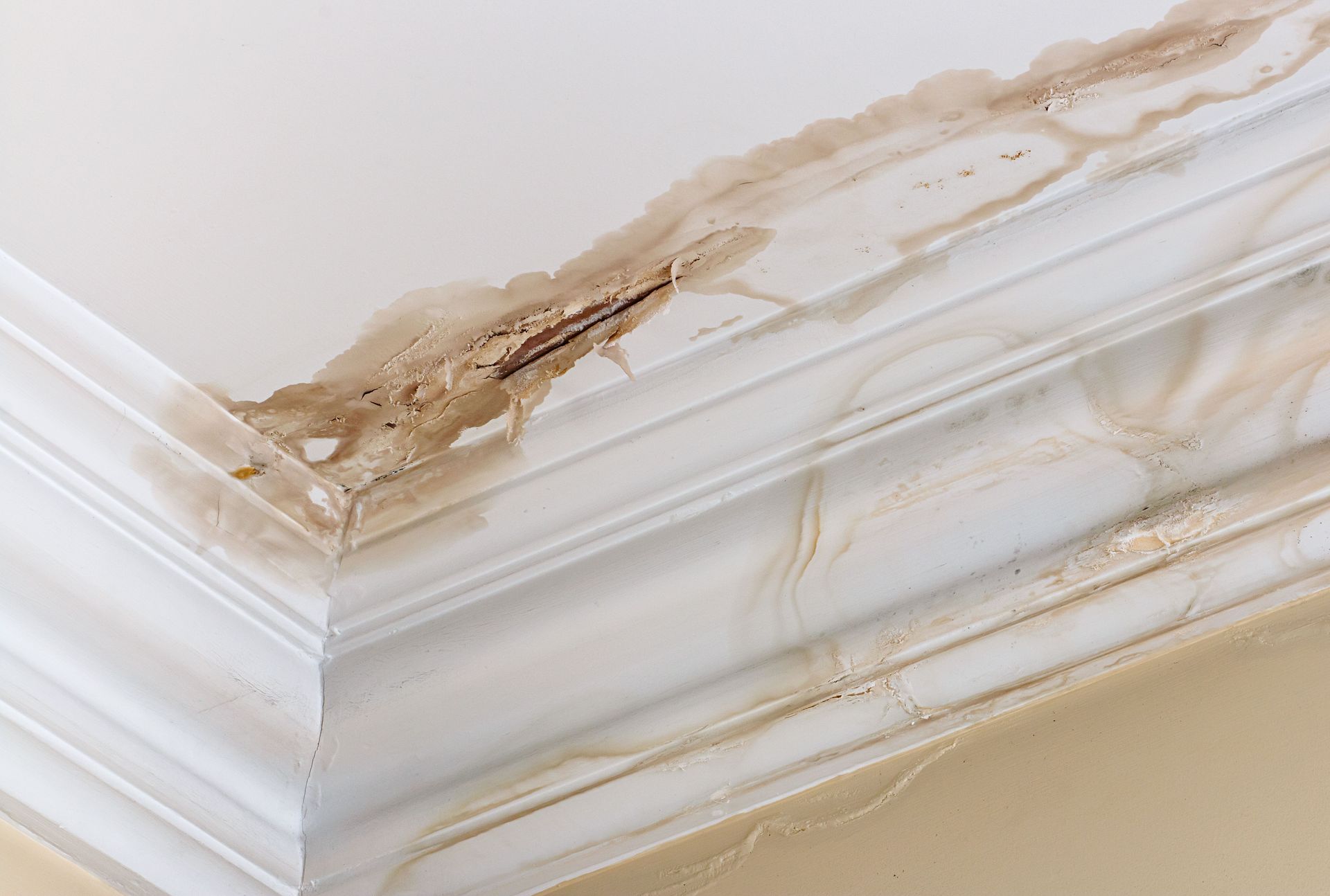
Moisture creates distinct patterns on wooden rafters and ceiling insulation. Dark stains on wood indicate water entry from recent storms. Damp insulation loses thermal resistance and promotes hazardous mold growth within enclosed spaces. Property owners must address active leaks before structural decay compromises load-bearing supports. Water pathways leave dark streaks along trusses. Spotting these streaks confirms that water breached protective barriers.
Smell serves as another indicator of hidden moisture accumulation. A musty odor in upper levels suggests trapped water stagnating within the structural cavity. Ventilation systems compromised by storm debris fail to remove damp ambient air. Stagnant moisture accelerates the rotting process of adjacent wooden components. Residents noticing damp smells must investigate the source of trapped humidity. Odor provides a sensory warning.
While some individuals attempt minor patches, interior leaks demand professional attention. According to This Old House, your roof should be inspected once a year or after any significant weather event. A qualified roofing company possesses the expertise to trace internal leaks back to their specific external source. Professionals possess safety equipment and technical knowledge that average homeowners lack. Utilizing experts prevents dangerous falls.
Inspecting the Upper Surface Elements
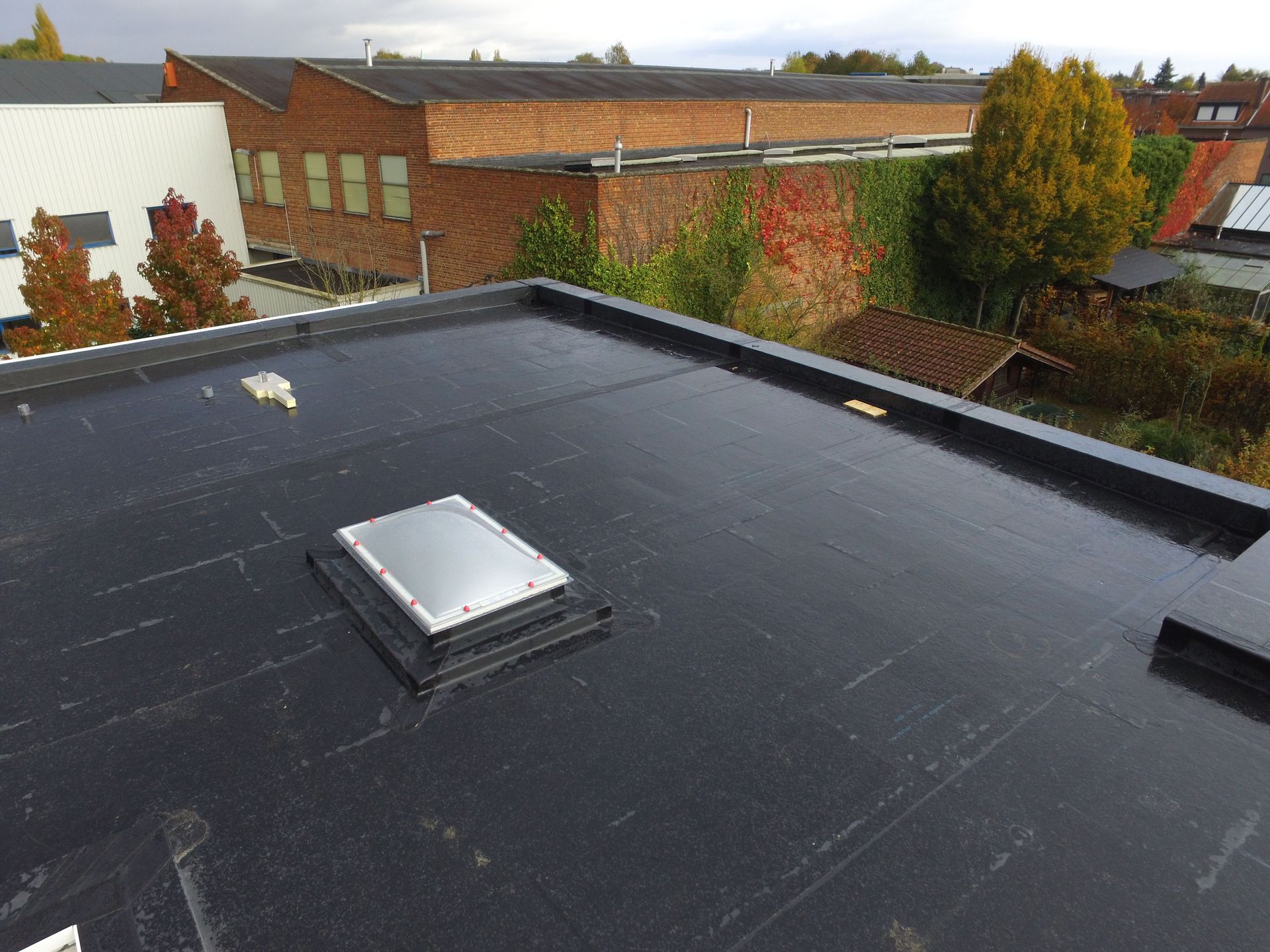
Viewing the topmost layers from a distance provides comprehensive oversight of damage. Binoculars allow property owners to spot curled, cracked, or missing shingles without risking a fall. Flat areas and valleys deserve special attention since rainwater pools in those locations. Granule loss leaves dark patches on asphalt surfaces, signaling weakened materials. Scanning geometric lines of the structure reveals uneven planes and sagging sections.
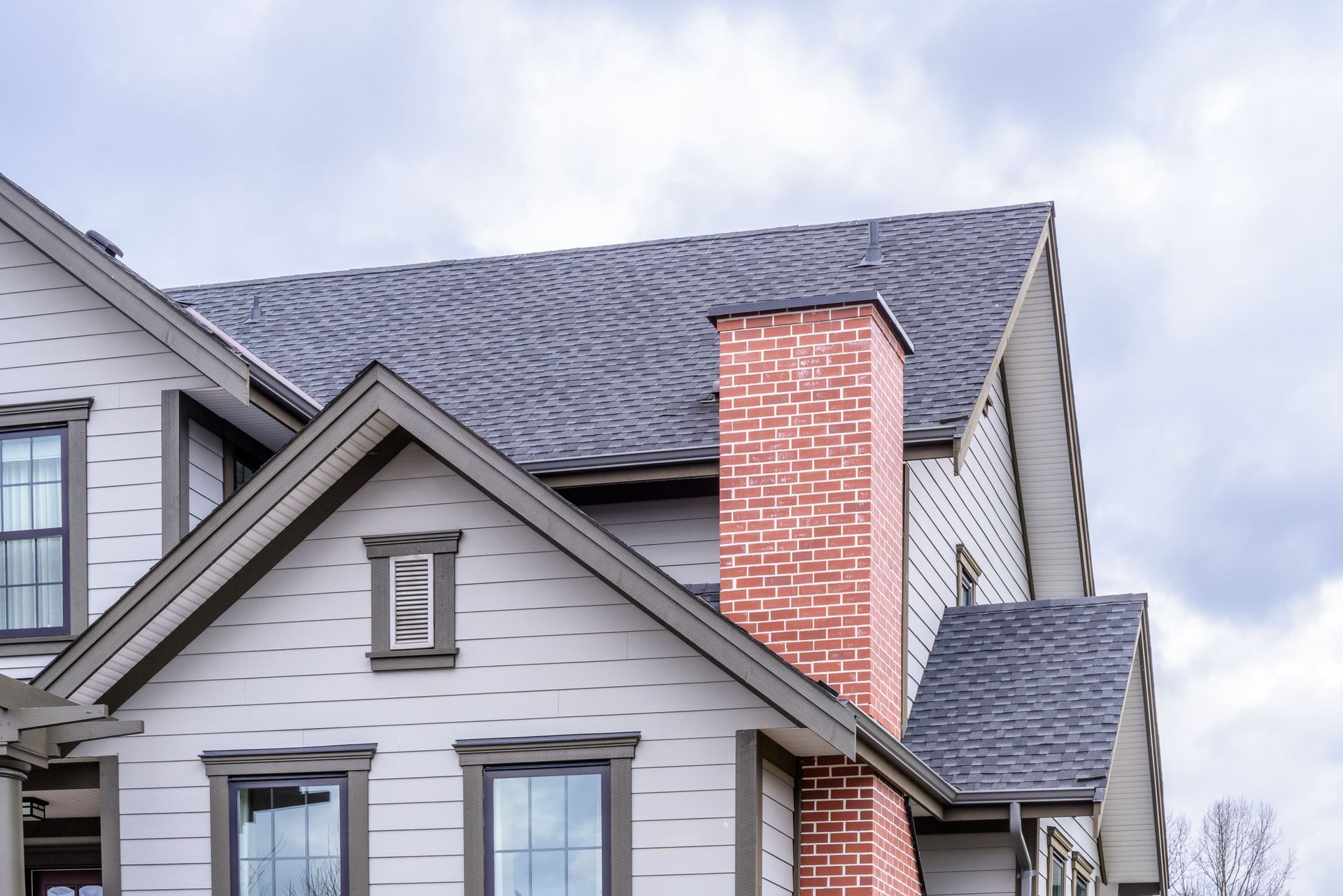
Chimneys and skylights represent vulnerable penetrations in the continuous protective surface. Seals around these protruding structures deteriorate under severe meteorological pressure. Cracks in masonry or lifted sealant strips invite cascading water into the living space. Property owners must look for shifted brickwork or distorted metal base flashing. Compromised structural penetrations account for a massive percentage of post-storm interior water damage.
Vent pipes require rubber boots that crack under hail impacts or shift during high winds. Displaced boots leave a direct channel for rainwater to bypass protective shingles. Residents observing twisted or broken ventilation pipes must prepare for mandatory repairs. High winds rip protective cowlings off exhaust vents, leaving massive holes exposed to rainfall. Spotting damaged protrusions requires scanning with magnification tools.
Tree limbs resting on the structure pose physical threats. Branches scrape away protective shingle granules as wind moves them back and forth. Removing heavy organic hazards requires specialized lifting equipment and strict safety protocols. This dangerous removal process prompts homeowners to contact a roofing company for safe extraction and repair. Professionals remove timber without causing additional fractures to the underlying decking material.
Reviewing the Insurance Documentation Process
Property owners must review insurance policies upon discovering storm damage. Understanding deductibles and specific coverage limits dictates the next financial steps in the restoration journey. Insurance contracts dictate specific timelines for filing formal claims after severe weather events occur. Missing contractual deadlines forces homeowners to pay for repairs from personal funds. Reading the fine print ensures individuals understand their rights during the recovery phase.
Comparing recent damage photographs against pre-storm pictures establishes a clear timeline of destruction. Insurance adjusters look for undeniable proof that the storm caused current deterioration. Comprehensive visual evidence minimizes disputes over claim validity and damage origin. Maintaining a dedicated file of property conditions before storms strike provides leverage during negotiations. Adjusters favor organized residents presenting undeniable photographic comparisons.
Homeowners must avoid signing initial repair estimates without careful consideration and research. Some opportunistic contractors rush the assessment phase to secure lucrative contracts from vulnerable residents. A reputable roofing company provides detailed written estimates explaining every necessary repair and material cost. Transparent documentation separates established businesses from transient storm chasers. Residents must demand itemized scopes of work before authorizing structural modifications.
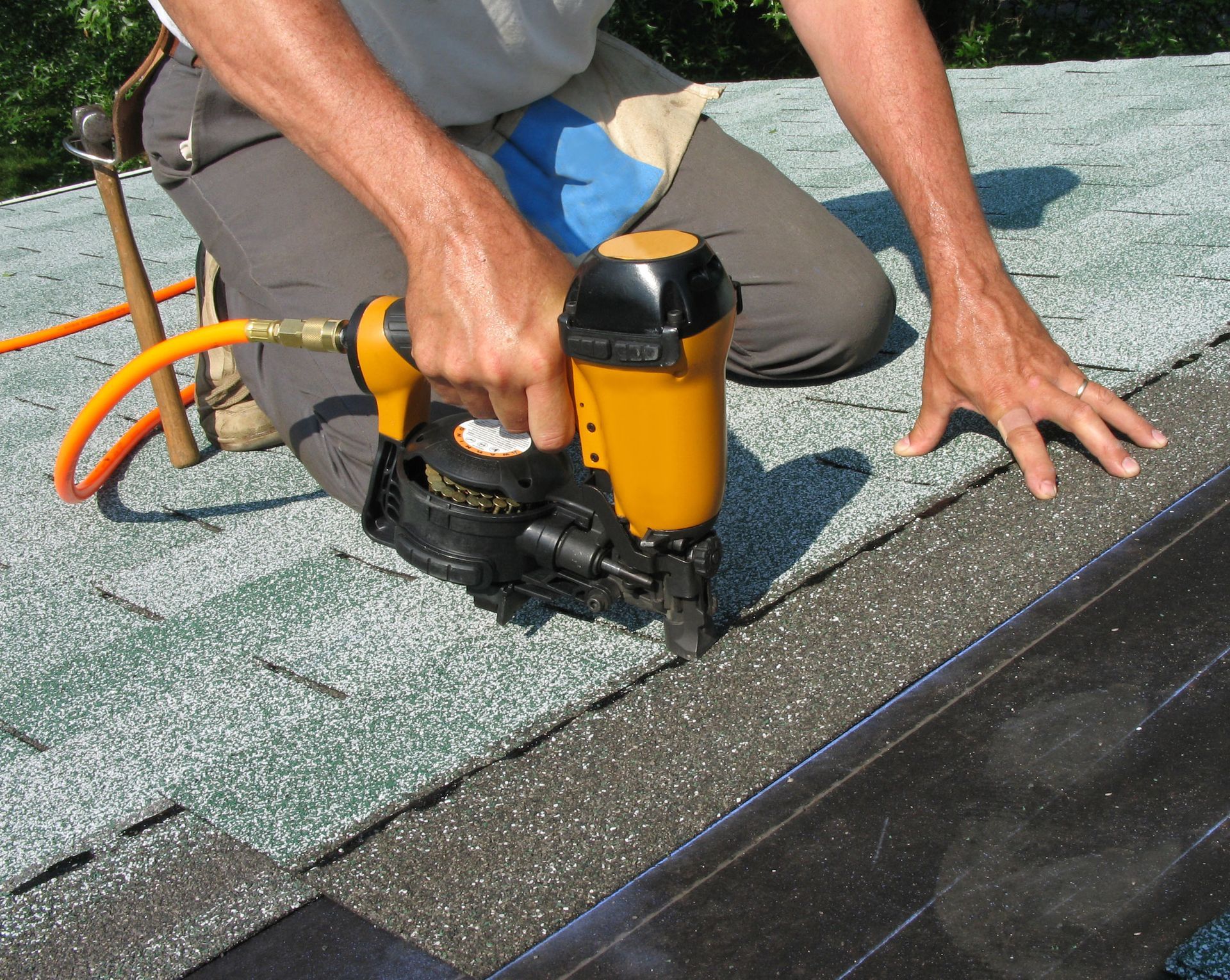
Collaboration between the property owner, insurance adjuster, and repair team ensures adequate restoration. Complete transparency prevents unexpected expenses later in the reconstruction project. Choosing an established roofing company guarantees adherence to local building codes during the rebuilding process. Coordination between all involved parties streamlines financial approvals and material acquisition phases. A unified approach transforms a chaotic disaster into an organized rehabilitation project.
Storm damage leaves homes vulnerable to cascading structural failures. Prompt and systematic assessments of ground and interior spaces protect the financial investment of homeownership. Identifying missing shingles, damaged gutters, and interior attic leaks facilitates swift remediation efforts. Neglected minor issues transform into massive structural crises when left exposed to subsequent weather patterns. Protecting the structural envelope demands immediate action and methodical surveying.
Property owners bear the responsibility of initiating evaluations without hesitation. Securing the perimeter prevents subsequent weather systems from inflicting further structural harm. Thorough documentation and decisive action restore the home to its protective state. Recognizing personal limitations ensures residents avoid dangerous falls and injuries. Having professional assistance guarantees the complete restoration of structural integrity for years to come. Reach out to us at A&M Roofing to schedule a thorough inspection of your property. We operate as a reliable roofing company ready to restore the structural integrity of your home.