September 25, 2026
As building technology advances, homeowners are exploring roofing solutions that provide durability, weather resistance, and long-term value. EPDM roofing has become a popular option for flat and low-slope residential roofs because of its flexibility, relatively straightforward installation, and manageable maintenance requirements. Understanding its benefits, limitations, and installation options can help homeowners determine whether this material suits their property. Working with an experienced roofing contractor also helps ensure the selected system meets the building's structural and environmental requirements.
Understanding EPDM Roofing
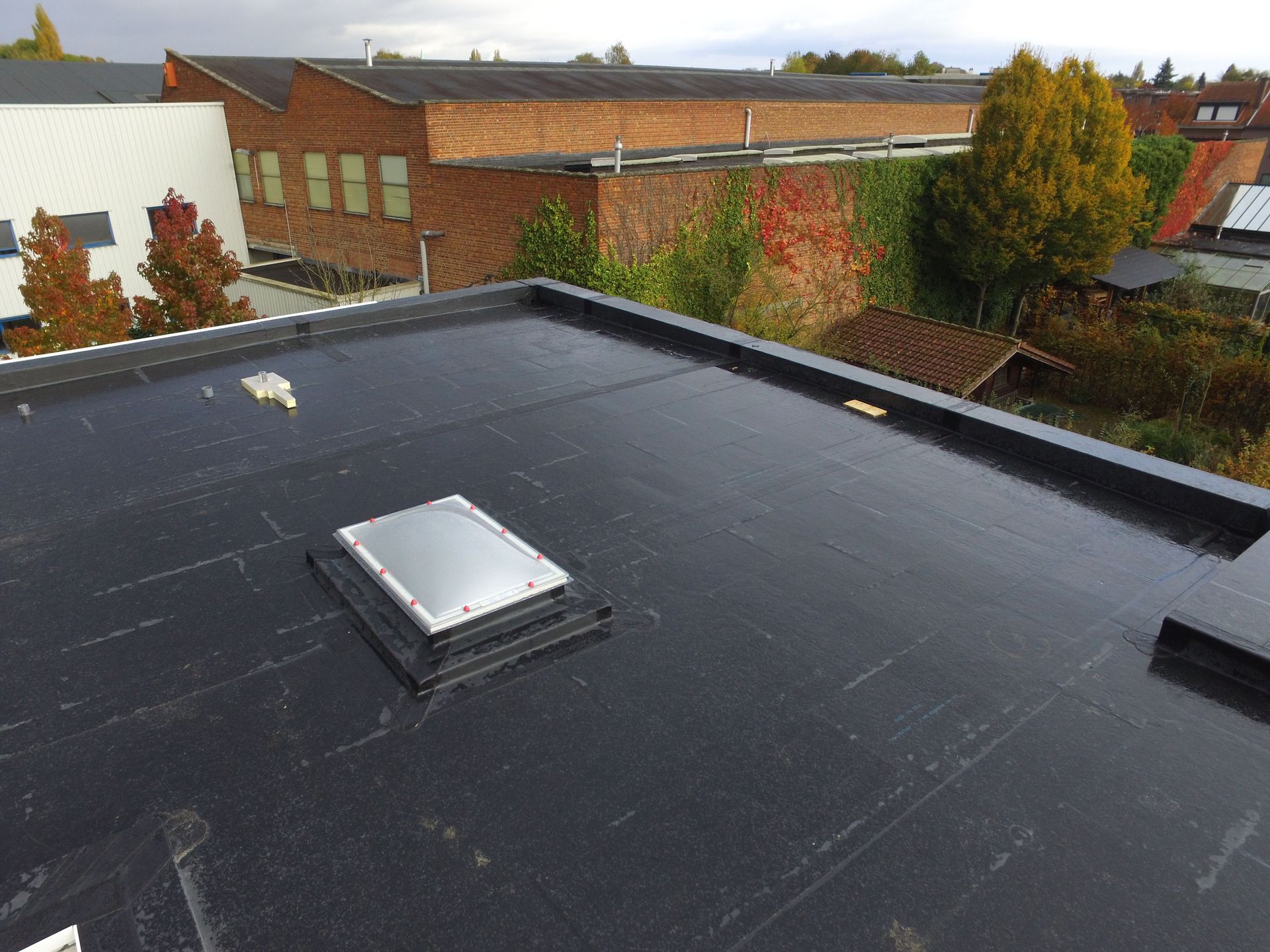
Ethylene Propylene Diene Monomer (EPDM) is a synthetic rubber membrane commonly used on flat and low-slope roofs. Available primarily in black and white, it offers resistance to ultraviolet radiation, ozone, and changing weather conditions. Its elasticity allows the membrane to expand and contract as temperatures fluctuate, reducing stress on the roofing system. These characteristics make EPDM suitable for residential garages, extensions, and contemporary homes with low-slope roof designs.
Another important consideration is membrane thickness, which influences durability and resistance to physical damage. EPDM membranes are manufactured in different thicknesses to accommodate varying roofing requirements. Thicker membranes may provide additional protection against punctures and regular rooftop activity. Homeowners should consider expected foot traffic, surrounding trees, and maintenance accessibility when evaluating available options.
Exploring EPDM Installation Methods
EPDM membranes can be installed using fully adhered, mechanically attached, or ballasted systems. Fully adhered installations use specialized adhesives to secure the membrane, while mechanically attached systems rely on fasteners. Ballasted installations use appropriately sized stones or other approved materials to hold the membrane in position. Each approach has different structural and wind-resistance requirements. A qualified roofing contractor can evaluate the roof's condition, local building codes, and environmental exposure before recommending an installation method.
Evaluating Durability and Lifespan
One of EPDM's principal advantages is its resistance to environmental deterioration. Its rubber composition withstands prolonged sunlight exposure, temperature fluctuations, and moisture when properly installed. According to The Spruce, membrane roofing materials such as EPDM can last more than 35 years with appropriate maintenance. Actual longevity depends on membrane thickness, installation quality, drainage, and environmental conditions. Regular inspections and timely repairs help homeowners maximize the service life of their roofing investment.
Proper drainage also plays an important role in preserving membrane integrity. Although EPDM resists moisture, prolonged standing water can place unnecessary stress on seams and other vulnerable roofing components. Maintaining appropriate roof slopes and unobstructed drainage outlets helps prevent premature deterioration. These preventive measures can contribute to consistent performance throughout the roof's expected service life.
Maintaining EPDM Roofing Systems
Although EPDM generally requires relatively little maintenance, periodic inspections remain essential. Homeowners should check for standing water, accumulated debris, damaged seams, and deterioration around roof penetrations. Keeping drainage systems clear prevents unnecessary moisture accumulation and reduces stress on vulnerable areas. Small punctures and localized damage can often be repaired using compatible materials. Scheduling inspections with a roofing contractor helps identify developing problems before they require extensive repairs or premature membrane replacement.
EPDM performs in various climates because its flexible composition accommodates temperature changes without becoming excessively brittle under normal service conditions. Black membranes absorb more solar heat, potentially benefiting certain colder environments, while white membranes reflect more sunlight and may reduce cooling demands in warmer regions. However, roofing color alone does not determine energy efficiency. Insulation quality, ventilation, building orientation, and local weather conditions also influence thermal performance. Selecting the appropriate membrane requires considering the property's overall energy requirements.
Comparing Installation and Long-Term Costs
EPDM frequently offers competitive installation costs compared with certain metal and multilayer roofing systems. Its relatively lightweight construction and available installation methods can simplify projects, although labor expenses depend on roof complexity and preparation requirements. Long-term savings may result from its durability, repairability, and extended service life. Homeowners should compare complete project estimates rather than focusing exclusively on material prices. An experienced roofing contractor can explain how insulation, drainage improvements, and membrane thickness affect installation expenses.
When evaluating installation estimates, homeowners should also consider potential expenses associated with removing existing roofing materials. Roof deck repairs, insulation upgrades, and drainage modifications can influence the final project cost. Obtaining detailed estimates helps property owners understand the scope of work and anticipate additional expenses. Comparing warranties and maintenance requirements provides further insight into long-term affordability.
Examining Energy Efficiency and Environmental Impact
EPDM can contribute to energy-efficient building designs when combined with suitable insulation and appropriate membrane colors. Reflective white membranes may reduce rooftop heat absorption during warmer months, potentially lowering cooling requirements. The material's extended service life can also reduce waste associated with frequent roof replacements. Certain EPDM products can be recycled through specialized programs, although recycling availability varies geographically. Homeowners interested in sustainability should evaluate manufacturer documentation, local recycling options, and the environmental characteristics of the complete roofing assembly.
The environmental performance of an EPDM roof depends on more than the membrane itself. Proper insulation, effective drainage, and responsible installation practices contribute to overall building efficiency. Selecting durable materials that require fewer replacements can also reduce construction waste over time. Homeowners may explore available recycling programs and manufacturer sustainability information when comparing roofing products.
Exploring Design Flexibility and Modern Applications
EPDM complements contemporary residential architecture, particularly buildings featuring flat roofs and minimalist designs. Its flexible membrane accommodates different roof configurations, including structures with skylights and other architectural features. EPDM can also support certain solar panel installations and vegetated roofing assemblies when properly engineered. However, additional structural support, drainage components, and protective layers may be necessary. Consulting a roofing contractor during the planning stage helps homeowners coordinate these features while preserving the membrane's waterproofing performance.
EPDM also accommodates various rooftop accessories that improve residential functionality. Properly installed skylights, ventilation components, and drainage systems can be incorporated into compatible roofing designs. However, every roof penetration requires appropriate flashing and waterproofing to prevent moisture intrusion. Careful coordination during installation helps maintain the roof's protective qualities while supporting the homeowner's architectural preferences.
Comparing EPDM With Other Roofing Materials
EPDM, thermoplastic polyolefin (TPO), and polyvinyl chloride (PVC) are common options for low-slope roofs. EPDM offers flexibility and established weather resistance, while TPO and PVC typically feature heat-welded seams and reflective surface options. PVC also provides resistance to certain chemicals. Built-up roofing uses multiple protective layers, whereas metal roofing offers different architectural possibilities and potentially extended service life. Each material presents distinct installation requirements, maintenance considerations, and costs. Comparing manufacturer specifications and local climate conditions helps homeowners identify an appropriate system.
Selecting the Right Roofing System
Choosing EPDM requires evaluating roof slope, drainage, insulation, structural capacity, and anticipated maintenance expenses. Warranty terms also deserve attention because coverage varies by manufacturer, installation method, and product specifications. Some warranties require professional installation and documented maintenance to remain valid. A knowledgeable roofing contractor can assess these factors, explain available membrane options, and provide recommendations based on the property's specific requirements. Careful planning and professional installation help homeowners obtain dependable performance while protecting their long-term roofing investment.
Before installation begins, homeowners should review their property's existing roof structure and identify any underlying moisture damage. Addressing deteriorated decking, inadequate insulation, or drainage problems creates a more reliable foundation for the new membrane. Planning for future maintenance access and potential rooftop improvements can also help prevent unnecessary modifications after installation.
EPDM roofing offers homeowners a practical combination of flexibility, weather resistance, and manageable maintenance requirements. Its compatibility with modern architectural designs and various installation methods makes it worth considering for flat and low-slope residential roofs. By comparing available materials, understanding warranty conditions, and working with a qualified roofing contractor, homeowners can make informed decisions that support durability, energy performance, and long-term property protection. Contact our team at A&M Roofing today and learn more about our roofing services.